- Tel: +86 523 8961 9888
- Email: wendy@teflon-fabric.cn
Keywords: PTFE Fiberglass, PTFE Adhesive Tapes
When people ask “What is the hardness of HDPE rods?” they usually want one thing: to know whether a high-density polyethylene rod is strong enough, wear-resistant enough, and cost-effective enough for a real job. In practical terms, HDPE rod hardness is a measure of how well the material resists indentation, scratching, and surface deformation under load. For procurement teams, machinists, and design engineers, this matters because the right hardness level can reduce part failure, improve service life, and lower replacement costs in industrial applications such as machine components, conveyor parts, liners, and chemical handling systems. At JVC, we help customers match the correct high-density polyethylene rod specification to the application so they can improve performance while protecting operating budgets.
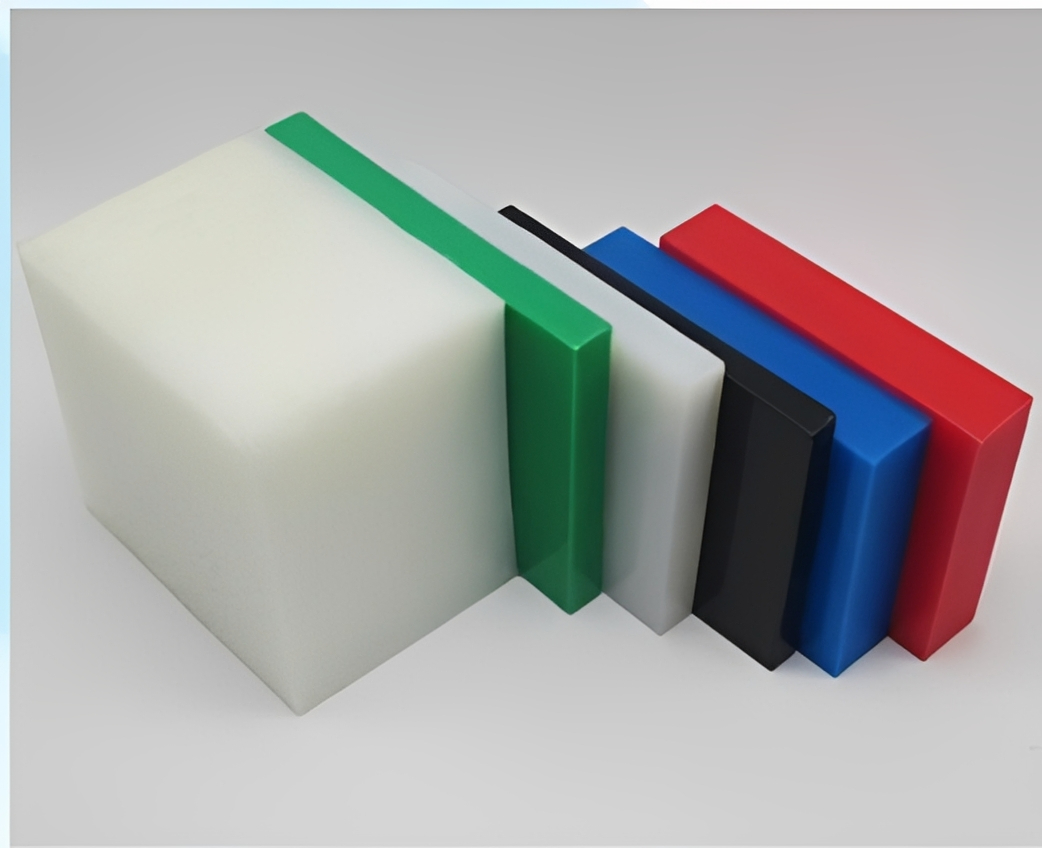
HDPE, or high-density polyethylene, is a thermoplastic known for its low friction, chemical resistance, and impact toughness. Compared with metals, it is much softer, but that softness is not a weakness in every case. In many engineering environments, the slightly lower hardness of a high-density polyethylene rod is exactly what makes it useful.
The hardness of HDPE is typically measured using standardized methods such as:
A typical high-density polyethylene rod often falls around Shore D 55–70, depending on resin grade, molecular weight, additives, and processing conditions. That range gives it a balanced combination of machinability, abrasion resistance, and impact strength.
For buyers comparing materials, this means the question is not simply “hard or soft,” but “hard enough for the load, wear, and environment.”
In the polymer processing and industrial fabrication sectors, hardness directly affects part performance. A high-density polyethylene rod with the right hardness can deliver:
That is why a reliable hdpe rod supplier will not only quote diameter and length, but also provide resin data, test reports, and tolerance control. For critical components, some manufacturers maintain precision to 0.01 mm on key dimensions, along with 100% inspection of finished stock before shipment. This level of quality control helps ensure the high-density polyethylene rod performs consistently in production.
The hardness of a high-density polyethylene rod is influenced by several technical factors. Understanding them helps prevent specification errors.
Different grades of HDPE have different molecular structures. Higher-density formulations usually offer better stiffness and hardness.
Carbon black, UV stabilizers, and lubricants can change surface performance. Some fillers improve wear resistance, while others may slightly reduce impact toughness.
Extruded and machined rod stock may show different surface characteristics. A well-controlled extrusion line can produce more uniform hardness across the rod diameter.
HDPE softens as temperature rises. A high-density polyethylene rod may feel much less rigid in a hot operating environment than in a standard test room.
Short-term impact and long-term static load affect the material differently. HDPE is excellent under many dynamic conditions, but prolonged heavy compression may cause creep.
Many buyers misunderstand what hardness means for a high-density polyethylene rod. Clearing these up can save time, cost, and redesign cycles.
Not always. A harder material is not automatically the best choice. For example, a metal substitute may resist indentation better, but it can also be heavier, more expensive, and more prone to corrosion. In contrast, a high-density polyethylene rod may provide the right balance of wear resistance and chemical resistance.
This is a costly error. Two high-density polyethylene rod products can differ in hardness, density, machinability, and performance depending on the resin source and production method.
Hardness and tensile strength are related but not identical. A high-density polyethylene rod may be relatively low in hardness compared with engineering plastics like nylon or acetal, yet still perform better in impact-prone, wet, or corrosive environments.
For demanding applications, testing is essential. Reliable suppliers should reference standard methods such as ASTM D2240 and provide traceable documentation. This is especially important in regulated industries.
The practical value of a high-density polyethylene rod becomes clear when looking at real applications. Its hardness level makes it suitable for parts that need to slide, absorb impact, or resist chemicals without rusting.
For these uses, the material must be easy to machine and stable in service. A properly selected high-density polyethylene rod can be turned, milled, and drilled with standard equipment, which helps reduce lead time and machining costs.
| Material | Typical Hardness | Main Advantages | Main Limitations |
|---|---|---|---|
| HDPE rod | Shore D 55–70 | Chemical resistance, low friction, good impact resistance | Lower heat resistance than some engineering plastics |
| Nylon rod | Higher than HDPE | Better wear resistance, stronger | Moisture absorption, dimensional change |
| Acetal rod | Higher than HDPE | Better stiffness, good machinability | Can be more expensive |
| UHMW rod | Similar or slightly different depending on grade | Excellent abrasion resistance | Lower stiffness in some applications |
This comparison shows why the high-density polyethylene rod remains a popular choice in industrial fabrication. It is often selected not because it is the hardest material, but because it solves the problem efficiently.
A packaging plant needed a replacement for worn metal guide parts on a high-speed conveyor. The old metal components caused noise, corrosion, and frequent downtime. After evaluating several materials, the engineering team selected a high-density polyethylene rod machined into guide blocks.
The result:
The procurement team also requested dimensional reporting with 0.01 mm precision and batch-level inspection records. With a qualified HDPE rod supplier, the plant standardized the part and reduced emergency maintenance calls. This is a strong example of how understanding What is the hardness of HDPE rods? can translate into measurable business value.
When sourcing from an HDPE rod supplier, the material spec sheet should go beyond price. To avoid product mismatch, ask for:
At JVC, we support customer inquiries with a 24-hour response process, technical confirmation, and traceable quality documentation. That level of service helps purchasing teams move faster while reducing specification risk.
For customers who need consistent material performance, JVC provides more than stock shapes. We focus on production stability, test transparency, and application matching.
Our advantages include:
Whether you need a high-density polyethylene rod for liners, bushings, or custom machined parts, selecting a dependable supplier can significantly affect total cost of ownership.
So, what is the hardness of HDPE rods? In simple terms, it is the material’s resistance to indentation and surface wear, usually measured by Shore D testing under recognized standards like ASTM D2240 or ISO 868. A high-density polyethylene rod is not the hardest plastic on the market, but it is often one of the most practical because it combines balanced hardness, chemical resistance, low friction, and easy machinability.
If you are sourcing from an HDPE rod supplier, focus on the application first, then verify hardness, tolerance, and inspection data. For industrial buyers, that is the most reliable way to avoid material mismatch and ensure long-term performance. If you need technical support or custom specifications, JVC is ready to help you select the right high-density polyethylene rod for your project.
Copyright © Jiangsu Vichen Composite Material Co., Ltd. All Rights Reserved. | Sitemap | Technical Support: