- Tel: +86 523 8961 9888
- Email: wendy@teflon-fabric.cn
Keywords: PTFE Fiberglass, PTFE Adhesive Tapes
If you are sourcing high-density polyethylene rod for machining, wear parts, marine components, chemical fixtures, or food-contact applications, the first decision is often whether to choose virgin HDPE rod or recycled HDPE rod. In simple terms, virgin material is made from new polymer resin, while recycled material is made from reprocessed plastic waste. The difference affects dimensional stability, cleanliness, mechanical consistency, and long-term performance, which directly impacts production yield, rejection rate, and total cost for manufacturers. For many businesses, choosing the right high-density polyethylene rod is not just a materials decision—it is a quality and profitability decision.
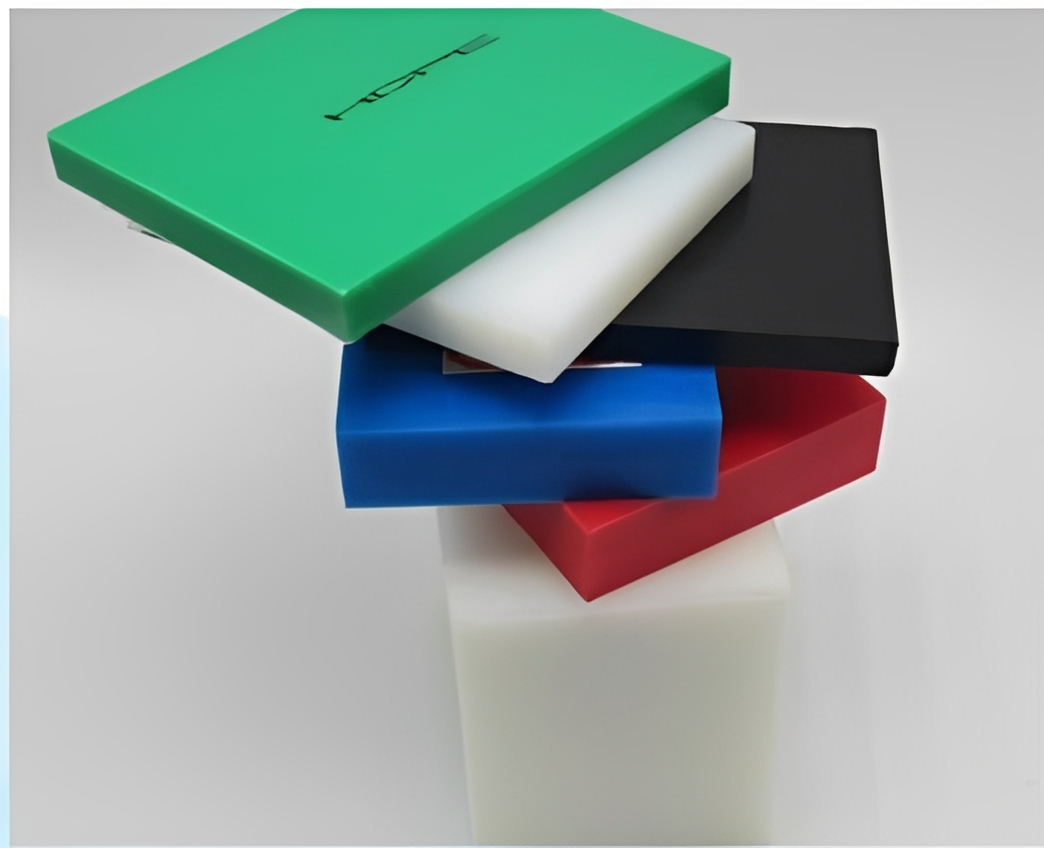
JVC understands that buyers do not simply want plastic stock shapes; they need predictable performance, verified quality, and stable supply. As a professional HDPE rod supplier, JVC focuses on process control, raw material traceability, and inspection discipline so customers can match the right high-density polyethylene rod grade to the end use.
When a factory buys a high-density polyethylene rod, it is often for CNC turning, milling, drilling, or fabrication into wear strips, guide rails, tank parts, and machine components. In these applications, even a 0.01 mm variation in diameter or ovality can affect fit-up, tool life, and assembly efficiency. That is why material selection matters as much as machining capability.
HDPE, or high-density polyethylene, has been used in industrial applications for decades because of its low moisture absorption, strong chemical resistance, and excellent impact toughness. As industries moved toward lighter, corrosion-resistant, and cost-efficient engineering plastics, the high-density polyethylene rod became a standard stock shape for fabrication shops and OEMs.
Over time, two sourcing streams developed:
This split created a market where users can choose between maximum consistency and lower material cost. A professional high-density polyethylene rod supplier should explain these differences clearly instead of pushing one option for every application.
The core difference is the raw material source, but the practical implications go much deeper.
Virgin high-density polyethylene rod is produced from new polymer resin with no previous use. This means the molecular structure is not affected by prior thermal history, contamination, or unknown additives. In many cases, this makes virgin stock the preferred choice for:
A virgin high-density polyethylene rod typically offers more reliable tensile strength, elongation, surface finish, and color consistency.
Recycled high-density polyethylene rod is made from reprocessed HDPE scrap or waste streams. Depending on the source, it may contain mixed resin histories, residual pigments, or trace impurities. It is often selected for:
A recycled high-density polyethylene rod can still perform well, but the lot-to-lot variation is usually higher than virgin material.
| Property | Virgin HDPE Rod | Recycled HDPE Rod |
|---|---|---|
| Raw material | Prime resin | Reprocessed resin |
| Consistency | High | Variable |
| Color uniformity | Excellent | May vary |
| Mechanical performance | Stable and predictable | Depends on feedstock quality |
| Chemical resistance | Strong and reliable | Can be less consistent |
| Food-contact suitability | More suitable when certified | Usually limited |
| Cost | Higher | Lower |
| Machining behavior | More predictable | Can vary by batch |
For buyers searching for high-density polyethylene rod, this comparison is often the quickest way to determine whether they need premium performance or cost optimization.
The distinction is not theoretical. It shows up in the workshop.
Virgin material generally has better melt uniformity and less batch variation. That means a high-density polyethylene rod made from virgin resin is more likely to hold size after machining.
In CNC production, this matters because thermal expansion and material movement can affect final tolerances. For precision components, a supplier may verify diameter with calibrated gauges and maintain tolerance control within 0.01 mm where the application demands it.
Virgin resin usually produces a cleaner machined surface, especially on turning and milling operations. Recycled material may contain small contaminants or inconsistent melt history, which can create minor surface defects, chatter marks, or tool wear changes.
For load-bearing or wear-prone parts, virgin high-density polyethylene rod is usually safer because its performance data is easier to verify. Recycled products may still be adequate, but engineers should validate the application by testing, especially under cyclic loading or long-term exposure.
For sectors such as food, beverage, or medical equipment, virgin material is often preferred because it is easier to align with regulatory and documentation requirements. A trustworthy HDPE rod supplier should be able to provide batch traceability, material declarations, and relevant test reports.
Many buyers make the same mistakes when comparing virgin and recycled options.
Not always. A well-controlled recycled high-density polyethylene rod can be suitable for many non-critical uses. The real issue is not whether the material is recycled, but whether the supplier controls feedstock, filtration, and inspection.
Virgin is not automatically the right choice. If the application is a spacer, backing strip, or simple wear component with no strict cosmetic or regulatory requirements, recycled stock may offer a better cost-performance balance.
They are not. Density, crystallinity, resin source, additives, and processing method all affect the final product. Two rods with the same nominal size may behave very differently in machining and service life.
Price is only one part of the equation. If recycled material causes scrap, downtime, or rejected parts, the “cheaper” option becomes more expensive in total cost of ownership.
A professional HDPE rod supplier should not rely on vague claims. Buyers should ask for standards-based verification.
Common references include:
In quality-focused production, 100% inspection may be used for critical dimensions, while incoming raw materials may be checked against a sampling plan. For B2B buyers, this kind of evidence matters more than marketing language.
Virgin high-density polyethylene rod is usually the best choice when the application depends on repeatability and cleanliness.
Typical use cases include:
In these scenarios, a virgin high-density polyethylene rod helps reduce variation, improves machining predictability, and supports more reliable assembly.
Recycled high-density polyethylene rod can be a smart procurement option when the part is not safety-critical and the buyer needs cost efficiency.
Typical use cases include:
For these applications, a recycled high-density polyethylene rod may deliver acceptable performance at a lower material cost, especially when supplied by a disciplined HDPE rod supplier with controlled process checks.
A machining customer needed a batch of guide bushings and wear rings for a conveyor system. The original purchase had used recycled material, and the shop experienced inconsistent chip formation, slight diameter drift, and some part rejection during assembly.
After switching to a virgin high-density polyethylene rod, the workshop reported:
The customer did not change the CNC program, tooling grade, or inspection method. The only change was the raw material source. That is a clear example of how material choice affects production economics.
If you are still deciding, ask these questions:
If the answer is “yes” to performance, compliance, or precision requirements, virgin high-density polyethylene rod is usually the better fit. If the answer is “yes” to budget optimization and the part is non-critical, recycled material may be appropriate.
Before placing an order, a professional buyer should request:
A reliable supplier should be able to respond within 24 hours, provide technical guidance, and support quotation decisions with real data rather than assumptions. That level of service is especially important when sourcing high-density polyethylene rod for repeat production.
The difference between virgin HDPE rod and recycled HDPE rod comes down to raw material origin, consistency, compliance, and cost. Virgin material offers better predictability, cleanliness, and performance for demanding applications. Recycled material can be a practical option for non-critical uses when budget matters most. If you need a dependable high-density polyethylene rod, choosing the right grade and the right HDPE rod supplier is the key to better machining results, lower risk, and stronger business value.
If you want to optimize your next project, compare specifications carefully, request ASTM or DIN test records, and work with JVC for professional material selection support.
Copyright © Jiangsu Vichen Composite Material Co., Ltd. All Rights Reserved. | Sitemap | Technical Support: