- Tel: +86 523 8961 9888
- Email: wendy@teflon-fabric.cn
Keywords: PTFE Fiberglass, PTFE Adhesive Tapes
PTFE Mesh Fabrics are widely used in industries that need heat resistance, anti-stick performance, and stable airflow. If you are comparing PTFE Mesh Fabrics for conveyor belts, PTFE Coated Open Mesh Fabrics for drying, or PTFE mesh fabric thickness options, this guide will help you understand what they do, where they work best, and how to choose the right one. In many factories, the problem is not just “finding a material that can handle heat.” The real pain point is finding one that keeps its shape, lets air pass through, and does not stick to products during continuous production. That is where PTFE Mesh Fabrics become useful.
According to PTFE material data published by major industry sources such as DuPont and technical product guides from manufacturers in the industrial belting sector, PTFE is known for a very low coefficient of friction, high chemical resistance, and a working temperature range often cited up to about 260°C (500°F) for continuous use in many applications. That is why PTFE Coated Open Mesh Fabrics are often selected in drying lines, food processing equipment, and heat treatment systems.
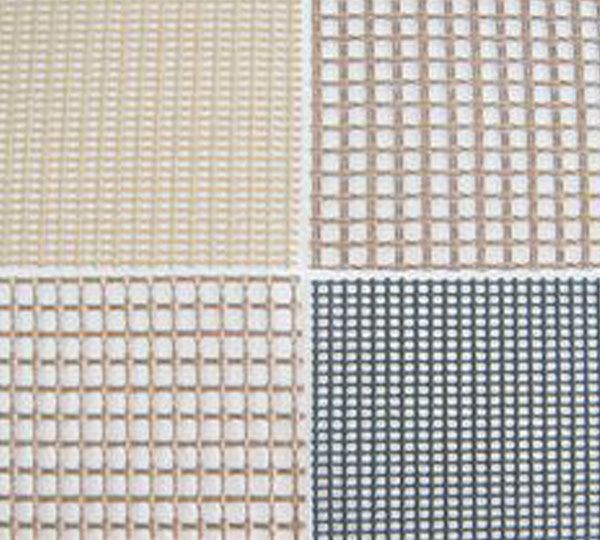
PTFE Mesh Fabrics are glass fiber or other base fabrics coated with polytetrafluoroethylene (PTFE). The mesh structure gives the material open airflow, while the PTFE coating provides non-stick, heat-resistant, and chemical-resistant performance.
In industrial production, many processes need:
A plain fabric may fail under continuous heat. A metal belt may be too heavy or may rust in wet environments. PTFE Mesh Fabrics solve these issues by combining light weight, open airflow, and non-stick performance.
For reference, industrial PTFE-coated glass fabrics are commonly promoted for their stability around -70°C to 260°C, depending on the product grade and application. This is one reason they are widely used in thermal processing equipment.
What thicknesses are available?
PTFE Coated Open Mesh Fabrics are usually offered in multiple thickness levels so buyers can match performance to the job. Common market choices include thin, medium, and thick grades, often around:
If your line needs both heat resistance and smooth movement, thickness should not be selected by price alone. A fabric that is too thin may stretch faster. A fabric that is too thick may reduce flexibility and increase system tension.
When people ask about PTFE mesh fabric thickness options, the best answer is not “the thickest one.” The right choice depends on:
PTFE Mesh Fabrics are used in many industries because the material handles heat and release issues at the same time.
PTFE Mesh Fabrics are used in:
Why it matters:
In food plants, consistent release performance reduces product damage and waste. In practical terms, a better release surface can help improve line stability and lower the number of rejected items.
PTFE Coated Open Mesh Fabrics are often used in heat-setting and print-drying lines.
Benefits:
This is important because textile lines often run at high speed. A belt that sticks or warps can slow production and increase downtime.
In packaging lines, PTFE Mesh Fabrics may be used in:
Why it works:
PTFE Mesh Fabrics are also used in:
These jobs need a clean surface and stable heat behavior.
Many drying systems use PTFE Coated Open Mesh Fabrics because the open structure allows air to move freely, which supports faster and more even drying.
Industry data from conveyor and dryer equipment manuals often shows that airflow efficiency is one of the main reasons mesh belts are chosen over solid belts in drying applications.
PTFE Mesh Fabrics are important because they solve several production problems at once.
PTFE is commonly cited as suitable for continuous use up to around 260°C, which makes it useful in thermal lines where standard fabrics may fail.
Effect in practice:
This heat stability helps reduce belt deformation and downtime in high-temperature systems.
PTFE has a very low surface energy, which is why materials like dough, glue, resin, and coated textiles are less likely to adhere.
Why it matters:
Less sticking means easier product release and cleaner operation.
The mesh design improves air circulation. In drying systems, airflow can be a deciding factor in drying speed and uniformity.
Measured-type benefit:
In industrial drying equipment, better airflow distribution can reduce uneven drying and improve process consistency. Exact results depend on system design, but the mesh structure is clearly a functional advantage.
PTFE resists many acids, bases, and industrial chemicals. This makes it useful in harsh environments where many fabrics degrade quickly.
PTFE-coated glass fabrics often show strong stability under heat when used correctly. This helps keep belt tracking more consistent.
The actual lifespan depends on load, temperature, cleaning, and tension. But compared with ordinary woven fabrics, PTFE-coated mesh usually lasts much longer in high-heat and anti-stick applications.
If you are buying PTFE Mesh Fabrics, use this simple selection process.
Ask:
Heavy, sharp, sticky, or wet products need different mesh strength and coating levels.
If your process depends on fast drying, choose a mesh with a higher open area ratio.
If the conveyor uses small rollers or tight turning points, a thinner and more flexible product may work better.
If cleaning is frequent, choose a coating and weave structure that can handle repeated washing without fast wear.
This is where many buyers make mistakes. A thicker belt is not automatically better. The best choice depends on:
PTFE itself is highly water-resistant, but mesh fabrics are open structures, so water can pass through the holes. The coating resists moisture, but the whole belt is not the same as a sealed waterproof sheet.
Some PTFE-coated fabrics are used in food-related equipment, but compliance depends on the exact product grade and local food safety rules. Always ask the supplier for certification and test reports.
Not always. Thickness helps in some wear situations, but flexibility, weave structure, coating quality, and tension control also matter.
Minor edge issues may sometimes be handled, but damaged belts often need replacement. For critical production lines, replacement is usually safer than patching.
Good performance depends on correct use, not just product quality.
Correct installation and cleaning can significantly extend service life. In practice, many belt failures are caused not by the fabric itself, but by poor tension, misalignment, or overheating beyond the rated range.
PTFE Mesh Fabrics are important because they help factories keep production moving with fewer sticking problems, better airflow, and strong heat resistance. For companies that run drying, baking, heat-setting, or thermal transfer lines, this can improve process stability and reduce downtime.
Industry buyers often look for three things:
PTFE Coated Open Mesh Fabrics support all three when selected correctly. That is why they are still a preferred material in many sectors, from food processing to textiles and packaging.
If you are planning to buy PTFE Mesh Fabrics, the next step is to read the product user guide carefully. Check:
If you are comparing suppliers, ask for samples and test them in your own line before bulk purchase. For buyers who want to explore brand-level options, you can also ask for JVC product recommendations or trial support to better match your production needs.
PTFE Mesh Fabrics have open holes for airflow and drainage. PTFE solid fabrics have a closed surface and are better for sealing or barrier uses.
Common choices are around 0.35 mm to 1.20 mm, with custom options also available depending on the supplier.
Yes. Many industrial PTFE-coated fabrics are used in continuous temperatures up to about 260°C, depending on grade and application.
Because the open mesh structure allows air to move through the belt, which improves drying efficiency and product consistency.
Yes, some grades are used in food equipment, but the product must meet the relevant food safety standards and certifications.
Start with temperature, load, airflow needs, and belt flexibility. Then compare thickness, mesh size, and coating quality.
If you want, I can also turn this into:
Copyright © Jiangsu Vichen Composite Material Co., Ltd. All Rights Reserved. | Sitemap | Technical Support: