- Tel: +86 523 8961 9888
- Email: wendy@teflon-fabric.cn
Keywords: PTFE Fiberglass, PTFE Adhesive Tapes
In recent years, PTFE Coated Open Mesh Fabrics have emerged as a crucial material in various industries, from electronics to food processing. Their unique properties, including only minimal thermal conduction and exceptional chemical resistance, make them a preferred choice for challenging applications. With an increasing focus on durability and safety in production environments, the demand for PTFE coated open mesh fabrics continues to rise. This article delves into the intricacies of these fabrics, exploring their benefits, applications, and properties that set them apart in the market.
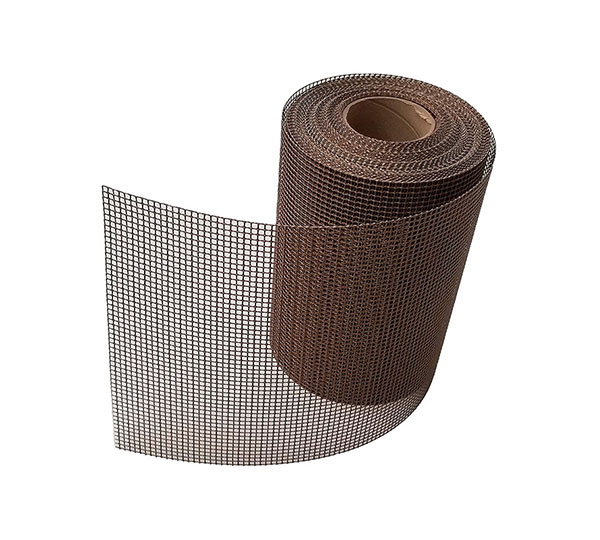
PTFE coated open mesh fabrics are versatile textiles woven with open spaces, offering excellent ventilation while being coated with polytetrafluoroethylene (PTFE). This non-stick, chemically resistant coating provides significant advantages over traditional fabrics. The industry term "open mesh" indicates that the fabric allows air and liquids to pass through while the PTFE coating ensures durability and inertness, making it suitable for use in harsh conditions.
Food Processing: These fabrics are commonly used in conveyor belts and other equipment due to their non-stick properties and resistance to various chemicals, ensuring safety and hygiene.
Electronics: In the manufacturing of components like capacitors and resistors, PTFE coated mesh fabrics are employed for their electrical insulating characteristics, maintaining performance stability under extreme conditions.
Aerospace: With rigorous standards for materials, PTFE coated fabrics are favored for thermal blankets and insulation due to their lightweight nature and high heat tolerance.
Pharmaceuticals: Used in applications where chemical resistance is paramount, such as in processing machineries that handle solvents and corrosive agents, these fabrics ensure longevity and reliability.
The significance of PTFE coated open mesh fabrics lies in their unique attributes, which translate into measurable benefits. For example, these fabrics exhibit:
These properties translate into efficiencies that manufacturers can leverage, reducing downtime and maintenance costs significantly.
If you’re considering the use of PTFE coated open mesh fabrics in your operations, the next step would be to assess your specific needs and consult the user guide for more tailored insights. Explore potential suppliers such as JVC for quality options that meet your requirements.
Q: Do PTFE coated open mesh fabrics resist chemicals?
A: Yes, PTFE coatings provide excellent chemical resistance, making these fabrics suitable for harsh environments found in industries such as pharmaceuticals and food processing.
Q: What is the maximum temperature PTFE can handle?
A: PTFE can perform safely at temperatures as high as 260°C, which makes it effective for high-temperature applications.
Q: Can these fabrics be used for electrical insulation purposes?
A: Absolutely, PTFE’s excellent insulating properties are beneficial for electronic applications where reliability is crucial.
For those interested in further understanding or conducting trials of PTFE coated open mesh fabrics, companies like JVC offer comprehensive resources to guide you in your decision-making process.
Copyright © Jiangsu Vichen Composite Material Co., Ltd. All Rights Reserved. | Sitemap | Technical Support: