- Tel: +86 523 8961 9888
- Email: wendy@teflon-fabric.cn
Keywords: PTFE Fiberglass, PTFE Adhesive Tapes
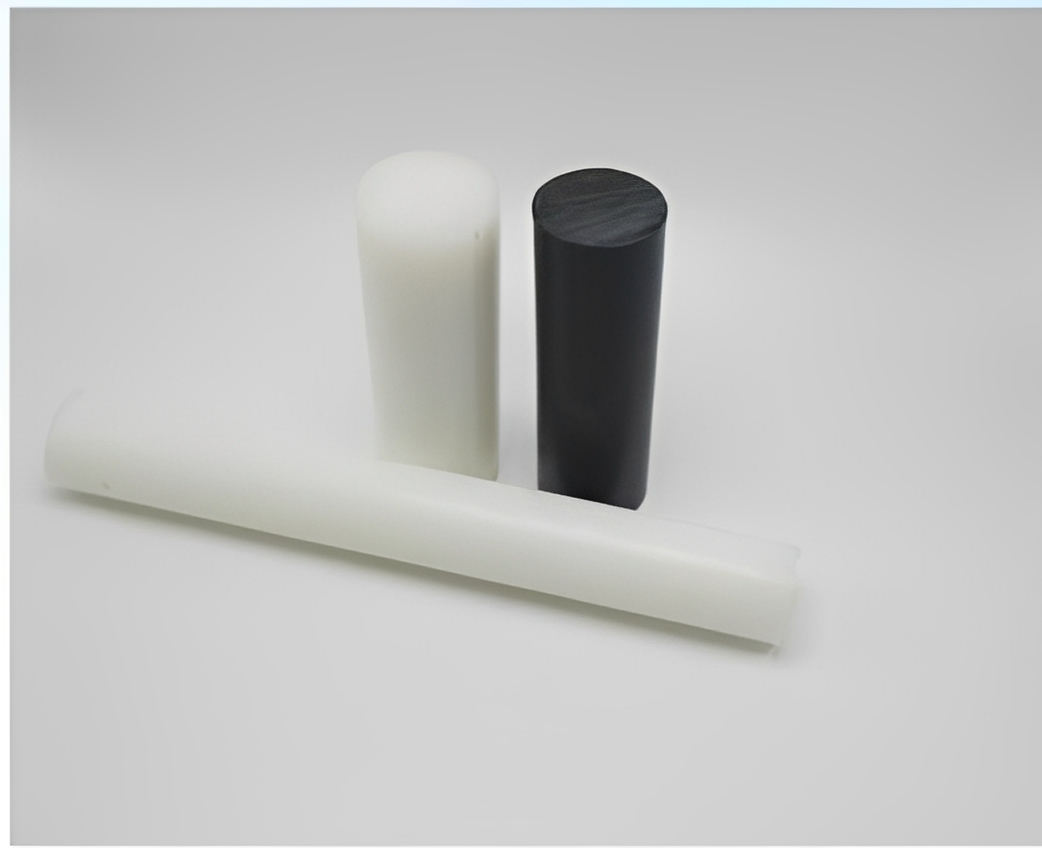
High-Density Polyethylene (HDPE) rods are essential components in various industries, prized for their durability, chemical resistance, and versatility. As a prominent hdpe rod supplier, JVC emphasizes the rods’ potential to enhance operational efficiency in manufacturing and construction sectors. These rods are employed across a spectrum of practical applications, from structural components to industrial fabrication, making them invaluable tools for businesses aiming to improve productivity and reliability.
Historically, HDPE was first developed in the 1950s as a robust alternative to traditional materials. Over the decades, its applications evolved with advancements in production techniques, and today, HDPE rods are a staple in industries such as plumbing, automotive, and packaging. Their intrinsic properties like resistance to impact and moisture, coupled with a density that ensures superior performance, have made HDPE rods a go-to solution for engineers and manufacturers alike.
The significance of HDPE rods is deeply rooted in their practical uses. These rods are widely used in the creation of custom machine parts, wear strips, and industrial guides. For example, in the manufacturing of conveyor systems, HDPE rods serve as durable guides that withstand abrasive conditions, prolonging service life without the risk of corrosion. They are also extensively utilized in food processing and packaging as they meet stringent safety standards, including ASTM and FDA approvals. Their versatile nature allows for easy machining and installation, streamlining production processes and reducing downtime.
Despite their popularity, several misconceptions surround HDPE rods. A common error is the assumption that all plastic rods are equally strong and versatile. In reality, the mechanical properties of HDPE rods, such as tensile strength and impact resistance, can vary significantly from other plastic options like PVC or ABS. Moreover, while HDPE rods are resistant to many chemicals, they are not impervious to certain solvents, which may lead to degradation over time. Understanding these nuances is crucial for industries looking to incorporate HDPE rods into their operations effectively.
To illustrate the practical applications of HDPE rods further, consider the case of a major automotive manufacturer that integrated HDPE rods into their assembly line as guides for robotic arms. By replacing conventional metal guides with HDPE, they achieved a reduction in weight by 40%, leading to lower power consumption and increased operational speed. The implementation not only enhanced efficiency but also improved environmental sustainability by minimizing energy use.
In summary, HDPE rods are indispensable in modern industrial applications, offering strong performance characteristics ideally suited for a range of uses—from manufacturing conveyor systems to fabrication of custom machinery. As industries continue to seek reliable solutions for enhanced production, the expertise and offerings of suppliers like JVC will play a pivotal role. Businesses are encouraged to explore the potential of HDPE rods to improve their operational frameworks and drive growth. If you want to learn more about these versatile products, visit vichenplastic.com and discover how HDPE rods can revolutionize your operations.
Copyright © Jiangsu Vichen Composite Material Co., Ltd. All Rights Reserved. | Sitemap | Technical Support: