- Tel: +86 523 8961 9888
- Email: wendy@teflon-fabric.cn
Keywords: PTFE Fiberglass, PTFE Adhesive Tapes
High-Density Polyethylene (HDPE) rods are gaining recognition across various industries for their versatility and high performance. From manufacturing to construction, their properties make them a preferred choice for many applications. As the demand for sustainable and durable materials rises, understanding the significance of HDPE rods becomes imperative. This article will address the main properties of HDPE rods, explore their applications, and explain why they are a reliable resource for businesses in need of strong and resilient materials.
High-Density Polyethylene (HDPE) rods are solid plastic rods made from high-density polyethylene, a thermoplastic polymer known for its high strength-to-density ratio. The characteristics of HDPE rods make them a popular choice for various applications, such as machining, fabrication, and industrial components. They are typically available in various sizes and colors, enhancing their adaptability for specific industrial needs.
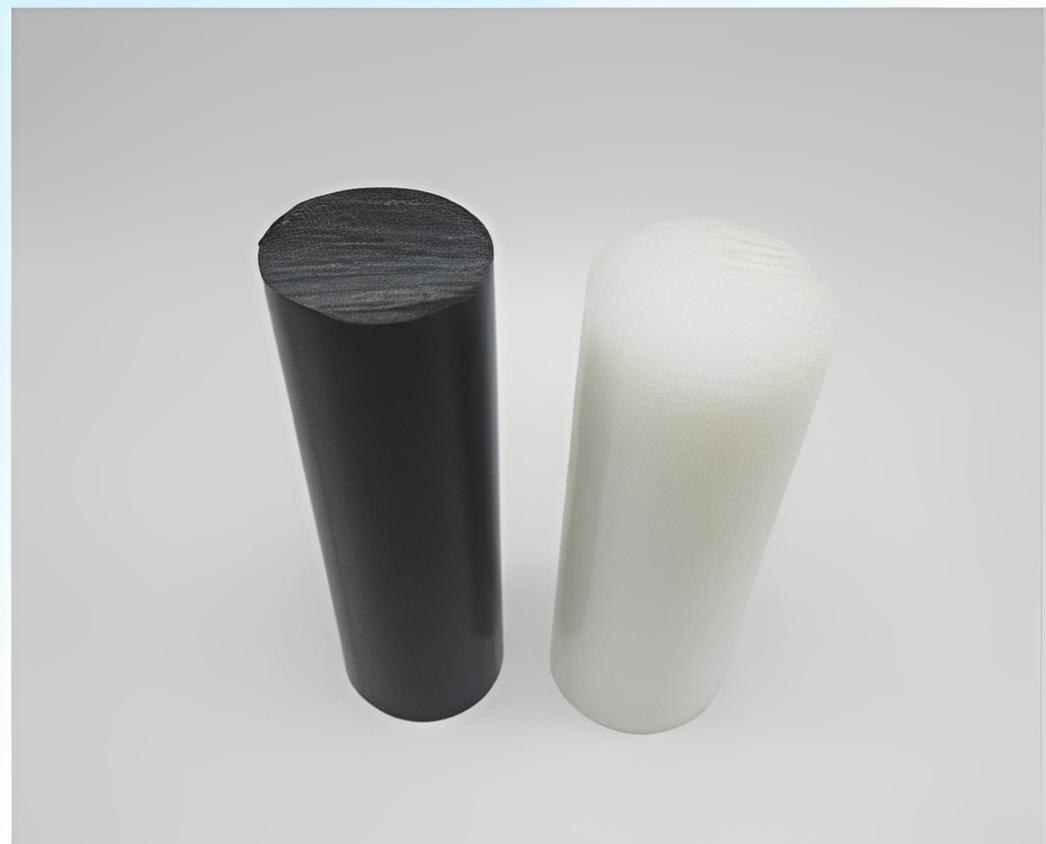
HDPE rods showcase several impressive properties that make them stand out in the material landscape:
Chemical Resistance: HDPE is resistant to corrosive substances, allowing it to thrive in environments where chemicals might damage other materials. Studies indicate that HDPE can withstand exposure to strong acids, bases, and various solvents.
Strength and Durability: HDPE rods have a tensile strength measured at approximately 3,500 psi, which demonstrates their capacity to withstand stress without permanent deformation. The high resistance to impact makes them ideal for rugged applications.
Low Moisture Absorption: With a moisture absorption rate of less than 0.01%, HDPE rods excel in applications requiring water resistance, ensuring longevity even in humid conditions.
Lightweight: With a density of about 0.95 g/cm³, HDPE rods are significantly lighter than many alternative materials, simplifying handling and installation.
HDPE rods are utilized across diverse sectors, including:
The significance of HDPE rods in different industries stems from their extensive advantages:
Cost-Effectiveness: Despite their superior properties, HDPE rods are often more affordable than alternatives like metals or other plastics, making them accessible for various budgets.
Sustainability: As a recyclable material, HDPE supports environmentally friendly practices. It's estimated that around 28% of recycled plastics are HDPE, contributing to waste reduction.
Ease of Fabrication: HDPE rods can be easily machined and welded, allowing for customization in a wide range of applications without extensive investments in specialized tools.
If you're interested in integrating HDPE rods into your projects, consider exploring user guides or speaking with suppliers like JVC to obtain tailored recommendations based on your specific needs.
Q1: What is the difference between HDPE and other types of polyethylene?
A1: HDPE has a higher density than low-density polyethylene (LDPE), resulting in superior strength, resistance to impact, and a higher melting point.
Q2: Are HDPE rods safe for food preparation?
A2: Yes, FDA-approved HDPE is approved for food contact and is commonly used in the food processing industry.
Q3: How can I purchase HDPE rods from reputable suppliers?
A3: Look for well-established HDPE rod suppliers and consider requesting samples to evaluate the quality before making a bulk purchase.
Q4: Can HDPE rods be used in outdoor applications?
A4: Yes, HDPE rods are resistant to UV radiation and moisture, making them suitable for outdoor use.
For further exploration of HDPE rods, visit our site or contact JVC for a trial offer. Understanding the versatile benefits of HDPE rods can significantly impact the efficiency and sustainability of your industrial applications.
Copyright © Jiangsu Vichen Composite Material Co., Ltd. All Rights Reserved. | Sitemap | Technical Support: