- Tel: +86 523 8961 9888
- Email: wendy@teflon-fabric.cn
Keywords: PTFE Fiberglass, PTFE Adhesive Tapes
High-density polyethylene rod is a widely used engineering plastic for people who need a material that is light, tough, and easy to machine. In many projects, the problem is not just “finding plastic,” but finding a rod that can work in wet places, outdoor spaces, chemical areas, and daily industrial use without cracking too fast or rusting like metal. That is why the search for a reliable hdpe rod supplier matters. If you need a high-density polyethylene rod for outdoor use, a custom cut HDPE rod, or an industrial HDPE rod supplier, this guide explains the full process in simple English.
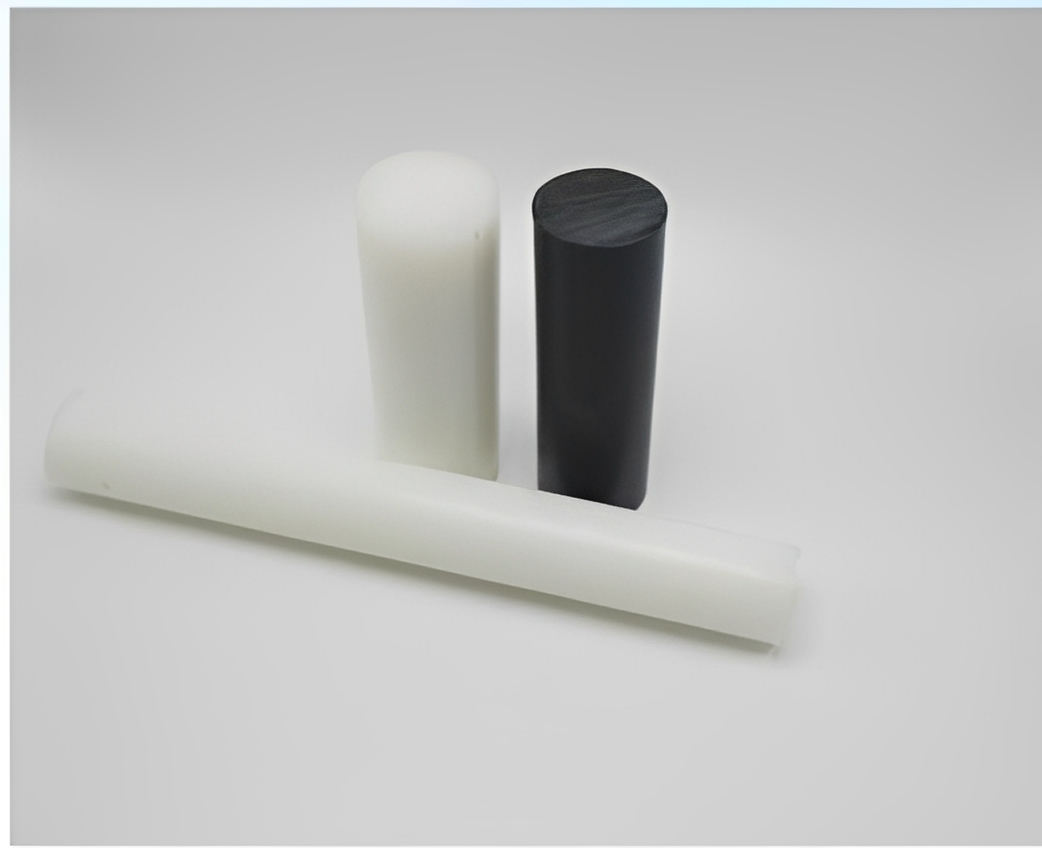
According to common industry data shared by plastic material manufacturers and engineering references, HDPE has a density range of about 0.94 to 0.97 g/cm³, a water absorption rate close to 0.01%–0.03%, and strong chemical resistance against many acids, alkalis, and salts. These numbers matter because they explain why the material can stay stable in damp and outdoor environments better than many natural materials. In real projects, that means less swelling, less cracking, and less maintenance.
A high-density polyethylene rod is a solid round bar made from HDPE resin. HDPE stands for High-Density Polyethylene, a thermoplastic polymer known for low moisture absorption, good impact resistance, and strong chemical stability.
If a part must be cut, drilled, milled, or shaped into a custom piece, HDPE rod is often easier to process than metal and less expensive than some high-performance plastics. It is also easier to ship and store because it does not rust.
A high-density polyethylene rod for industrial machining is often chosen when factories need a material that can be turned into parts quickly and with stable performance.
Yes, HDPE rods can be used outdoors, but the performance depends on the application, sunlight exposure, temperature range, and part design.
Water resistance
HDPE has extremely low water absorption, usually around 0.01%–0.03%. This helps it resist swelling in rain, humidity, and wet soil.
Chemical resistance
HDPE resists many common chemicals, so it is often used near cleaning agents, fertilizers, and saltwater environments.
UV exposure Standard HDPE can age under long-term sunlight. For outdoor use, many suppliers add UV stabilizers or carbon black to improve UV resistance.
Temperature limits HDPE usually performs well in everyday outdoor temperatures, but it can soften more than metal at high heat. For long sun exposure in hot climates, material grade matters.
If your project is outdoors, ask the HDPE rod supplier these questions:
For outdoor equipment parts, a UV stabilized HDPE rod supplier can provide material that lasts longer than untreated plastic in fencing components, water treatment parts, and agricultural supports.
HDPE rods matter because they solve a common problem: many industries need parts that are not too heavy, do not rust, and can handle moisture or chemicals.
This means:
A custom high-density polyethylene rod supplier is important because many buyers do not want a standard size only. They need the right diameter, length, color, and grade for a specific job.
HDPE rods are used in many fields because the material is practical and flexible.
Factories use HDPE rods to make:
In machining work, a machinable HDPE rod supplier is useful because the rod can be cut and processed into small parts with less effort than some harder plastics.
HDPE is used in environments where parts may contact:
A chemical-resistant HDPE rod supplier is often preferred for laboratory fixtures, container parts, and support components.
Because HDPE does not absorb much water, it is often used in:
For these jobs, a waterproof HDPE rod for outdoor use can reduce swelling and corrosion issues.
HDPE rods are used in:
A weather-resistant HDPE rod supplier is important here because the parts may face sun, rain, and fertilizer exposure.
Some HDPE grades are used in food-contact applications when they meet the required standards. Buyers should always confirm compliance before use.
HDPE rods are important because they offer a balanced mix of performance and cost.
This is one of the biggest reasons buyers choose them. In damp conditions, many materials swell or corrode. HDPE usually stays stable because it absorbs very little water.
A density near 0.95 g/cm³ means easier handling, lower transport cost, and simpler installation.
HDPE can be cut into custom parts with standard workshop tools. That helps reduce production time for small and medium projects.
This makes them useful in labs, cleaning systems, and industrial processing areas.
In many non-load-bearing or medium-load applications, HDPE offers a lower-cost option than many engineering plastics or metals.
Compared with common metals, HDPE does not rust. Compared with many absorbent plastics, it keeps water uptake extremely low. That combination is why many engineers choose it for wet and outdoor use.
Choosing the right HDPE rod supplier is just as important as choosing the material.
Material grade Ask whether the rod is standard HDPE, UV-stabilized HDPE, or a modified engineering grade.
Size range Check diameter, length, and tolerance options.
Surface quality The rod should have a uniform surface without cracks, bubbles, or deep scratches.
Technical data A serious supplier should provide datasheets showing density, tensile properties, heat resistance, and water absorption.
Outdoor performance If you need outdoor use, ask for UV test information or outdoor application guidance.
Customization If your project needs cutting, drilling, or special dimensions, choose a custom HDPE rod supplier.
Many buyers lose time because they order the wrong grade or wrong size. A professional supplier reduces this risk by matching the rod to the job before shipping.
If you need a reliable HDPE rod supplier for outdoor applications, the best choice is usually the one that can give both material data and custom service.
HDPE rods are often used in outdoor equipment because they resist moisture and many chemicals. But buyers still ask: “Can HDPE rods be used outdoors?” The answer is yes, especially when the rod is UV stabilized.
The image below can help users understand the outdoor application scenario visually:
A UV-resistant HDPE rod supplier can help reduce surface aging in long outdoor use.
To get the best performance, users should follow a few simple rules.
Outdoor use needs UV-stabilized material. Chemical environments may need special resistance checks.
Like many plastics, HDPE expands with heat. Design parts with enough tolerance.
Sharp tools give cleaner cuts and better surface finish.
Keep rods away from direct sunlight if they are not UV stabilized, and store them flat to avoid warping.
For critical projects, request a sample from the HDPE rod supplier first.
Yes. They are commonly used outdoors, especially if they are UV stabilized.
Very little. Typical water absorption is around 0.01%–0.03%, which is one reason they work well in wet areas.
Yes. They are widely used for machining custom parts like spacers, rollers, and bushings.
They resist many acids, alkalis, and salts, but buyers should still check compatibility for each chemical.
Ask about grade, UV resistance, size tolerance, datasheet values, and whether the rod fits your application.
Not always. HDPE is better for low-weight, corrosion-free use. Metal may still be better for very high structural loads.
Before placing an order, read the product user guide and check the full specs. If your project is outdoors, confirm whether you need UV-stabilized high-density polyethylene rod or a standard grade. If you need custom sizes or technical support, contact a trusted HDPE rod supplier and ask for a sample, datasheet, and application advice.
If you want to compare options, you can also look for:
These long-tail searches can help you find the right product faster and compare grades, prices, and service before buying.
Copyright © Jiangsu Vichen Composite Material Co., Ltd. All Rights Reserved. | Sitemap | Technical Support: