- Tel: +86 523 8961 9888
- Email: wendy@teflon-fabric.cn
Keywords: PTFE Fiberglass, PTFE Adhesive Tapes
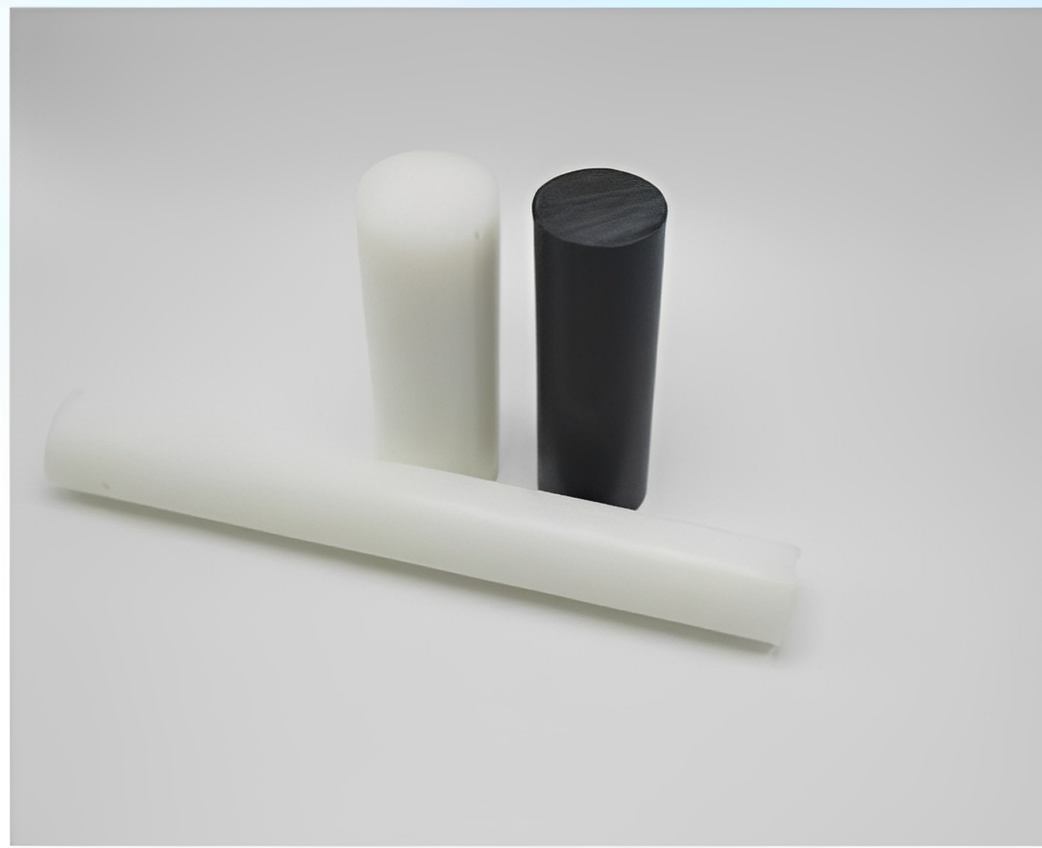
A high-density polyethylene rod is a low-moisture-uptake plastic round bar used in machining, chemical processing, marine equipment, and food-grade components because it resists water, corrosion, and dimensional instability. In practical terms, the water absorption rate of HDPE rod is extremely low, which helps parts keep their tolerance, mechanical performance, and service life even in humid, wet, or submerged environments. For businesses, that means fewer failures, less rework, and more consistent production quality—especially when sourcing from a reliable hdpe rod supplier like JVC.
In standard polymer testing, high-density polyethylene rod typically shows a water absorption rate of about 0.01% to 0.03% after 24 hours under common ASTM-style immersion methods, depending on resin grade, additives, and processing conditions. In other words, the material absorbs very little moisture compared with many engineering plastics.
That low absorption is one reason a high-density polyethylene rod is widely selected for:
For buyers asking What is the water absorption rate of HDPE rod?, the short answer is: very low, and this is exactly why the material performs well in moisture-prone applications.
Historically, metal parts dominated many industrial applications, but corrosion, weight, and maintenance costs pushed manufacturers toward thermoplastics. As polyethylene processing matured, high-density polyethylene rod became a practical solution for machinable, low-friction parts that do not swell easily in water.
Today, the value is clear:
For an HDPE rod supplier, low water absorption is not just a technical feature—it is a business advantage because it helps customers reduce scrap, improve tolerance control, and maintain consistent output.
A high-density polyethylene rod does not behave like hygroscopic plastics such as nylon or POM in certain conditions. Because it absorbs minimal moisture, it is less likely to:
That makes the high-density polyethylene rod especially useful where precision and repeatability matter. In many machining shops, keeping water uptake low helps maintain tolerances closer to ±0.01 mm on finished parts, depending on equipment, design, and post-processing.
Even experienced buyers sometimes misunderstand this topic. Here are the most common errors:
That is not fully accurate. A high-density polyethylene rod absorbs very little, but not absolutely zero. Under long-term immersion, surface-level moisture interaction can still occur, though it is usually negligible for most applications.
Not true. Density, crystallinity, antioxidant package, and extrusion quality can affect the final performance of a high-density polyethylene rod. A professionally controlled product from a trusted HDPE rod supplier usually delivers better consistency.
Also false. Although high-density polyethylene rod resists water well, it still has limits in temperature resistance, creep behavior, and load-bearing applications. Correct material selection should always consider the full service environment.
When evaluating a supplier, look for documented testing rather than vague claims. A dependable HDPE rod supplier should be able to provide data based on recognized methods such as:
At JVC, product verification can include:
That level of quality control matters because even a low-absorption high-density polyethylene rod must still meet machining and application requirements.
The low water absorption rate makes high-density polyethylene rod a preferred choice in several industries:
In all these cases, the high-density polyethylene rod helps maintain stable performance where moisture would cause trouble for other materials.
A machine builder once needed a wear-resistant component for a washdown area. The original nylon part absorbed moisture, causing dimensional drift and fit issues after repeated cleaning cycles. After switching to a high-density polyethylene rod, the part kept its size better, ran more smoothly, and reduced replacement frequency.
This is a common example of how a high-density polyethylene rod can improve reliability in real production settings. For the customer, the outcome was lower downtime, fewer replacements, and better total cost of ownership.
Before purchasing from an HDPE rod supplier, confirm these points:
If your application depends on stable dimensions, the high-density polyethylene rod should be selected based on verified performance data, not just price.
JVC focuses on quality-controlled plastic rod production for industrial buyers who need stable supply, technical support, and consistent machining performance. When sourcing a high-density polyethylene rod, buyers often value:
That combination helps reduce procurement risk and ensures the high-density polyethylene rod fits demanding industrial use.
So, What is the water absorption rate of HDPE rod? In practical terms, it is very low, usually around 0.01% to 0.03% in standard short-term testing, which makes the material highly suitable for wet, chemical, and humid environments. A high-density polyethylene rod offers strong value through dimensional stability, corrosion resistance, and dependable machining performance.
If you need a verified high-density polyethylene rod for industrial production, choose a supplier that can provide ASTM-based test data, precision inspection, and responsive technical support. For sourcing help, JVC can support your project with reliable product data and application guidance.
Copyright © Jiangsu Vichen Composite Material Co., Ltd. All Rights Reserved. | Sitemap | Technical Support: