- Tel: +86 523 8961 9888
- Email: wendy@teflon-fabric.cn
Keywords: PTFE Fiberglass, PTFE Adhesive Tapes
PTFE Mesh Fabrics are a practical material solution for industries that need heat resistance, chemical stability, and airflow at the same time. In factories, food lines, drying tunnels, and printing equipment, users often face the same pain points: belts that stick, materials that deform under heat, and surfaces that fail after repeated cleaning. PTFE Mesh Fabrics solve these problems by combining a non-stick PTFE coating with an open mesh structure, so air can pass through while the surface resists heat, moisture, and many chemicals.
If you are searching for PTFE Coated Open Mesh Fabrics for conveyor belts, PTFE mesh fabric for heat sealing machines, or industrial PTFE mesh belt material, this guide explains the full process: definition, technical meaning, application fields, key benefits, and how to choose the right product. It is written for practical use, not just theory.
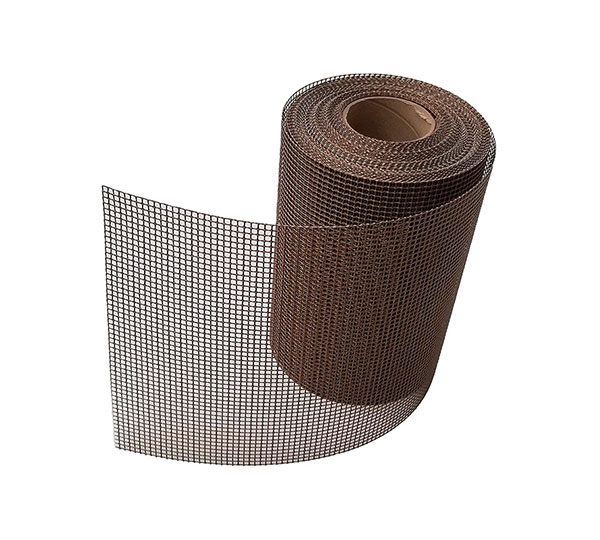
PTFE Coated Open Mesh Fabrics are fiberglass or aramid mesh materials coated with polytetrafluoroethylene (PTFE). PTFE is the same polymer family commonly known for low friction and strong chemical resistance. The open mesh design is important because it allows heat, air, and moisture to move through the fabric instead of getting trapped.
In industrial use, this material is often described as:
These terms usually point to the same idea: a fabric that can move products through high-temperature or sticky-process environments without absorbing residue.
A solid belt blocks airflow. An open mesh belt helps hot air pass through. That is useful in:
This is why many production lines choose PTFE coated open mesh fabrics instead of standard solid belts.
The reason this material became common is simple: many production lines need a surface that can handle heat and still move products smoothly.
According to data published by DuPont on PTFE materials, PTFE has a continuous service temperature range of about -240°C to 260°C. That wide range is one reason it is used in demanding industrial systems. PTFE also has a very low coefficient of friction, which is one reason products do not stick as easily to the surface.
Product sticking
Heat damage
Poor airflow
Cleaning time
Corrosion from chemicals
In real production, a better-release belt can reduce downtime caused by cleanup and product sticking. Many factories report fewer belt-change interruptions when moving from standard textile belts to PTFE-coated systems, especially in heat-driven processes. The actual result depends on the line design, temperature, and loading, but the key point is measurable: less sticking means less cleaning time, less waste, and more stable output.
PTFE coated open mesh fabrics are used across multiple industries because the same core needs appear in different production environments: heat resistance, release performance, and air circulation.
This is one of the biggest use areas.
Common examples:
Why it works:
In food lines, a clean-release belt can help reduce product loss from tearing or sticking. That matters when handling soft products like cheese, dough, marshmallows, or glazed foods.
PTFE mesh belts are often used for:
Why it works:
Packaging lines use these fabrics for:
Why it works:
In some manufacturing steps, PTFE mesh is used where:
PTFE is valued for chemical resistance in:
These fabrics can appear in:
PTFE Mesh Fabrics are important because they solve multiple production issues at once. The value is not just “non-stick.” It is the combination of heat resistance, release performance, airflow, and durability.
PTFE can handle high operating temperatures. For many processes, this makes it more practical than ordinary fabrics that lose strength or shape when heated.
PTFE has one of the lowest surface energies among common industrial materials. That means many substances have a harder time attaching to it. This is why sticky food, resin, and coatings release more easily.
The open mesh design is useful for drying and curing. Air can move through the belt, which supports more even process results.
PTFE resists many acids, alkalis, oils, and solvents used in industrial environments.
In the right operating conditions, PTFE-coated mesh can last longer than standard belts because it resists sticking and repeated thermal stress.
Because the surface is non-stick, cleaning time may be reduced. That can improve line availability and lower labor burden.
If a drying line stops every day for residue cleaning, even a small reduction in cleanup time can matter. For example, saving 15 minutes per shift equals 75 minutes per week on a five-day schedule. Over a month, that becomes 5 hours saved. In production, time savings like this often matter more than marketing claims.
To understand the material, it helps to look at the process.
Most PTFE mesh fabrics use fiberglass as the base because fiberglass offers strength and dimensional stability.
The mesh is coated with PTFE to create:
The open mesh structure is kept during manufacturing so the final fabric still allows airflow.
The fabric is installed into conveyor systems, heat tunnels, dryers, or other process equipment.
Operators monitor:
Even a strong belt can fail early if tension is too high or the operating temperature exceeds the recommended range. That is why choosing the right thickness, mesh size, and coating grade matters.
Choosing the correct product depends on your industry and process conditions.
Ask:
PTFE materials can handle high heat, but the whole system must be matched correctly.
Mesh size affects:
A finer mesh may support smaller items better. A more open mesh may improve ventilation.
Thicker coating can improve durability, but it may also change flexibility and cost.
Fiberglass is common, but some applications need different reinforcement or edge treatment.
If the line uses solvents, cleaners, or process chemicals, confirm compatibility.
If used in food processing, confirm relevant safety and compliance requirements.
Ask suppliers for:
If a supplier cannot provide technical data, that is a warning sign.
Cause: residue, wrong surface, poor release
Solution: use PTFE coated open mesh fabrics with the right coating grade
Cause: material not designed for temperature load
Solution: select a PTFE mesh fabric rated for the process temperature
Cause: air cannot pass through well
Solution: choose an open mesh design with proper permeability
Cause: tension, misalignment, poor base material
Solution: improve installation and choose a stronger base fabric
Cause: surface adhesion is too high
Solution: use a non-stick PTFE surface to reduce buildup
PTFE Mesh Fabrics work best when installed and used correctly.
A good belt can still fail early if the machine is not aligned. Many maintenance issues are not material defects. They are setup problems.
Modern production lines need speed, consistency, and lower waste. PTFE coated open mesh fabrics help with all three.
As factories push for higher throughput and stricter quality control, the belt or fabric inside the machine becomes more important. The wrong surface can create waste at every shift. The right surface can make the line smoother and easier to manage.
These sources support the fact that PTFE is widely trusted where heat and release performance matter.
If you want to go beyond basic reading, it is smart to compare samples from a trusted supplier and ask for technical data sheets.
Start with a small trial in your actual process line. Compare:
For buyers who want a practical starting point, the JVC brand line can be considered for sample review, especially if you need help matching mesh size, coating level, and usage environment. If your line handles food, heat sealing, or drying, ask for a test sample and compare it against your current belt material.
Their main purpose is to provide a surface that resists heat, reduces sticking, and allows airflow in industrial systems.
No. They are also used in printing, packaging, textiles, electronics, chemical processing, and curing systems.
It allows air and heat to pass through, which helps drying and improves process efficiency.
Yes. PTFE is widely used in high-temperature applications, and DuPont reports a continuous service range of about -240°C to 260°C for PTFE materials.
Check temperature, mesh size, coating thickness, chemical exposure, and compliance requirements for your industry.
Use a PTFE-coated surface, install it correctly, and clean before residue hardens.
PTFE Mesh Fabrics are not just another industrial material. They are a practical solution for production lines that need less sticking, better airflow, and more stable heat performance. If your process includes drying, curing, sealing, or food transport, PTFE coated open mesh fabrics may improve efficiency and reduce maintenance work.
Next step: read the product guide, compare technical specifications, and request a sample test before bulk purchase. If you need a starting point, review JVC options and ask for a data sheet matched to your application.
Long-tail recap for SEO relevance:
Copyright © Jiangsu Vichen Composite Material Co., Ltd. All Rights Reserved. | Sitemap | Technical Support: